The holidays are here, Hillers! And with the holidays comes the stress of figuring out how to pay for all the presents, food and travel expenses. Thankfully, the art of budgeting has become a popular trend the past few years, and tools have evolved to make budgeting efficient and pain-free.
The first thing to do when budgeting is to understand finances. Track and see what money is going where, monthly spending habits and more. Once you have that grasp on spending, it’s easier to start working toward budgeting and splitting it up the way that is most beneficial. In particular, it’s most beneficial to split your income into three ways: a savings account, a spending pile for both needs and wants, as well as a donation fund to give back to the community. To start off the savings account, most people recommend saving three to six months worth of essential living expenses, but as a highschooler that might seem a little unnecessary, so try shooting for at least $1000 in an emergency fund. Any other savings can go to some sort of financial goal, such as a college fund or car payments. Overall, about 20% of income should go toward savings.
Spending money is a little more flexible, and arguably the biggest dividend of money. The spend pile should include phone bills, gas money, subscriptions and any other monthly expense, which should include about 50% of income. This is also the section for regular spending money, to spend on food, clothes and other necessities and miscellaneous items, being around 20% of income. Together the spending section should amount to around 70%, depending on the person and their specific wants and needs.
Finally, the donation pile may be the most important section, especially during the holidays. It’s important to give back to the community. This can be used for all types of holiday charities, such as angel trees and donations to local food banks, churches and more. This can be anywhere from 1-5% of your income, but be careful choosing where to take this money out from.
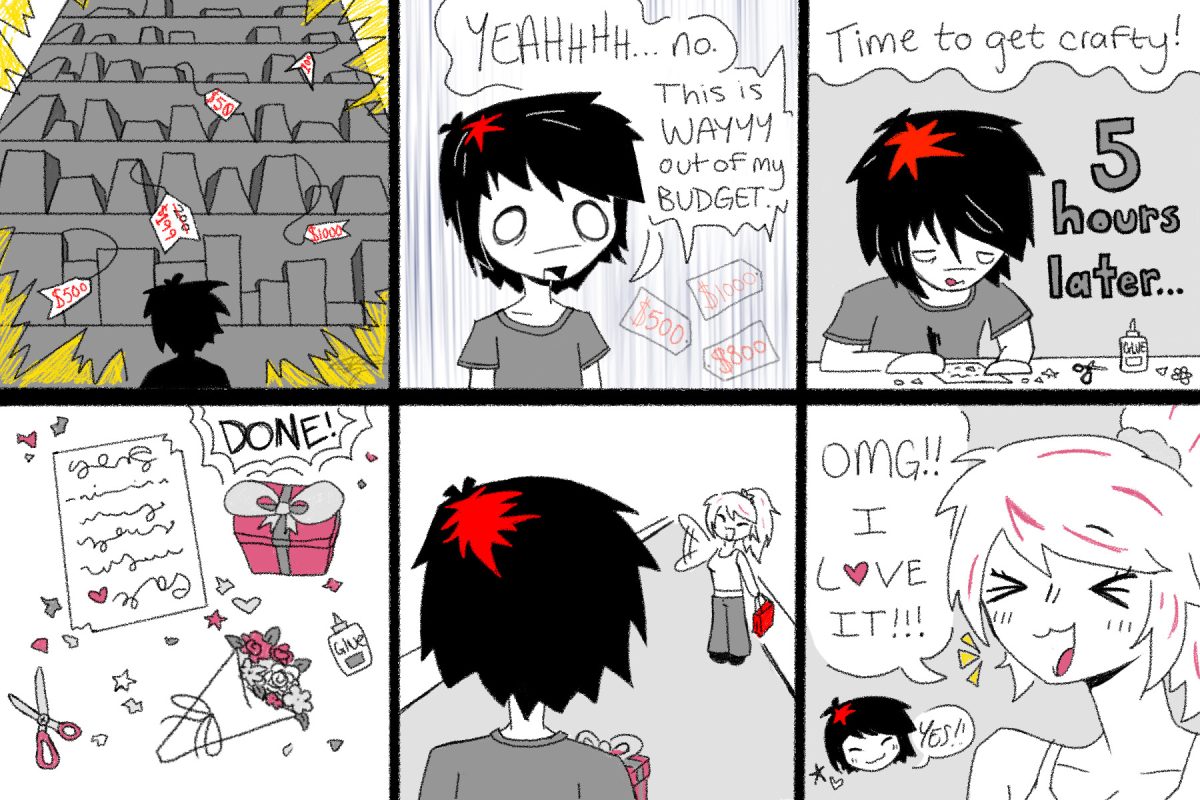
Now, budgeting can get especially challenging during the holiday season, as the numerous Secret Santas and White Elephants become hard to avoid and become costly after a while. Be sure to give some wiggle room in the “spend” section for all of those unforeseen expenses! It is also smart to use some other budgeting hacks in order to avoid overspending, such as setting a hard spending limit for gifts, creating detailed lists of what to buy in order to stop impulse buying and saving up for the holidays in the months beforehand. Another way to avoid spending an arm and a leg for each gift is finding better solutions, such as using gift cards or redeeming reward points to buy gifts or bringing out your creative side by making DIY gifts.
Food can also become a concern during this busy season, as many restaurants and fast food places come out with delicious seasonal items that are hard to pass up. Set a specific spending limit for that too in order to avoid spending too much on polar bear cake pops or gingerbread lattes.
Finally, Christmas break is a great time to travel, especially with the two weeks of school we have off this year. Unfortunately, during this time many airline tickets, hotel expenses and attraction prices skyrocket due to the increased desire to travel. Avoid this by planning ahead or by enjoying a staycation with family and friends at home.
Overall, the idea of the holidays and trying to budget it all can be scary. But with these tips and tricks, it is sure to be a lot less painful and a lot more jolly. Happy budgeting, Hillers!