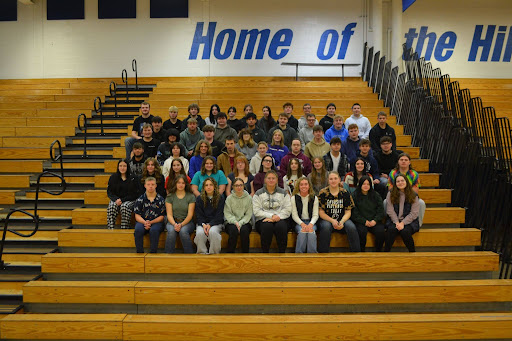
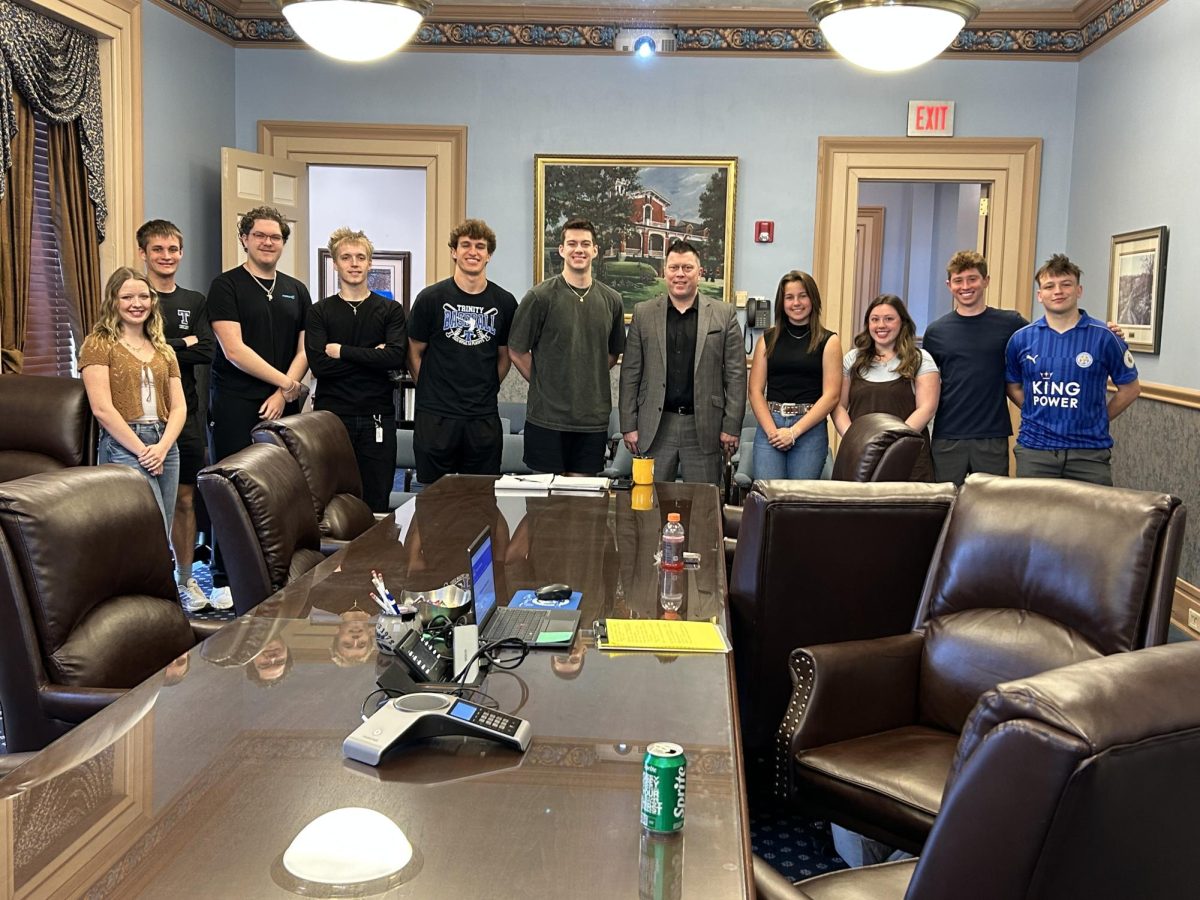
At Trinity, students have a unique opportunity to share their perspectives directly with school leadership through the Student Advisory Panel. This group serves as a bridge between the student body and Superintendent Dr. Lucas, allowing students to play an active role in discussions about the school’s future.
The Student Advisory Panel is made up of approximately 10 to 12 students per grade, who meet periodically with Dr. Lucas. During these meetings, students discuss potential changes, ongoing issues and ideas the superintendent is considering. The goal is to gather honest student input and ensure that decisions reflect the voices of those most affected.
Teachers and coaches can both recommend students for the panel. Those chosen are expected to represent their peers thoughtfully and act as respected leaders within the school community. Although panel members do not have formal responsibilities outside of meetings, they are encouraged to lead by example in their daily actions.
The panel meets about once every three to four months, totaling around two to three meetings each school year. Even with this limited schedule, meetings are meaningful and require active participation. Students are expected to contribute to discussions and share their opinions openly with Dr. Lucas.
One of the main challenges the panel faces is reaching agreement among its members. While many discussions result in general consensus, there are times when a few students disagree with the majority. In addition, even when the panel agrees internally, gaining support from parents and the broader student body can be difficult.
“The best way to gather feedback is by honestly communicating with your friends and peers. If they have a solution to a problem or an issue they feel needs to be brought up, they can tell one of us and we can communicate it to Dr. Lucas,” shares panel member Jonah Bieranoski, junior.
Members rely on communication with their peers to bring forward ideas and concerns, making them an important link between students and administration. For many, this responsibility is also the most rewarding part of being on the panel, as students depend on them to help address issues and find solutions.
In addition to contributing to school discussions, panel members also develop valuable skills such as debating, problem-solving and public speaking. These experiences not only benefit the school but also help students grow as leaders.
Senior, Sydney Klick comments, “The panel allows students to feel they have a voice and that responsibility is definitely significant. It means a lot.”
The Student Advisory Panel plays an important role at Trinity, encouraging open dialogue and student involvement. Through their efforts, students are given a voice in shaping their school community.