The definition of tradition is “a long-established custom or belief passed down from one generation to the next.” This description fits the Olympic Games perfectly. The Winter Olympics, in particular, have become one of the most recognizable international traditions, uniting athletes, coaches and fans from around the world.
Since 1924, the Winter Games have been held 25 times, with this year’s event marking the 26th edition of this historic competition being held in the beautiful cities of Italy, including Milan and Cortina d’Ampezzo. Over the past century, the Olympics have grown from a modest gathering of winter sports enthusiasts into a massive global spectacle watched by millions.
The games host a wide variety of sports. Standout sports include curling, ice hockey, figure skating, skiing and snowboarding, each with its own distinctive rules, game plans and loyal fan bases.
Throughout the history of the games, certain nations have consistently stood out in the medal count. Norway leads all-time in victories at the Winter Olympics with 148 gold medals, followed by the USA with 114 and Germany with 112. These numbers are more to the countries competing than just a stat. They represent decades of training programs, investments in facilities, and an extensive cultural commitment to winter sports. In many of these countries, children grow up skiing, skating or playing hockey from a very young age, and the aspiration of one day competing in the Olympics becomes part of everyday life.
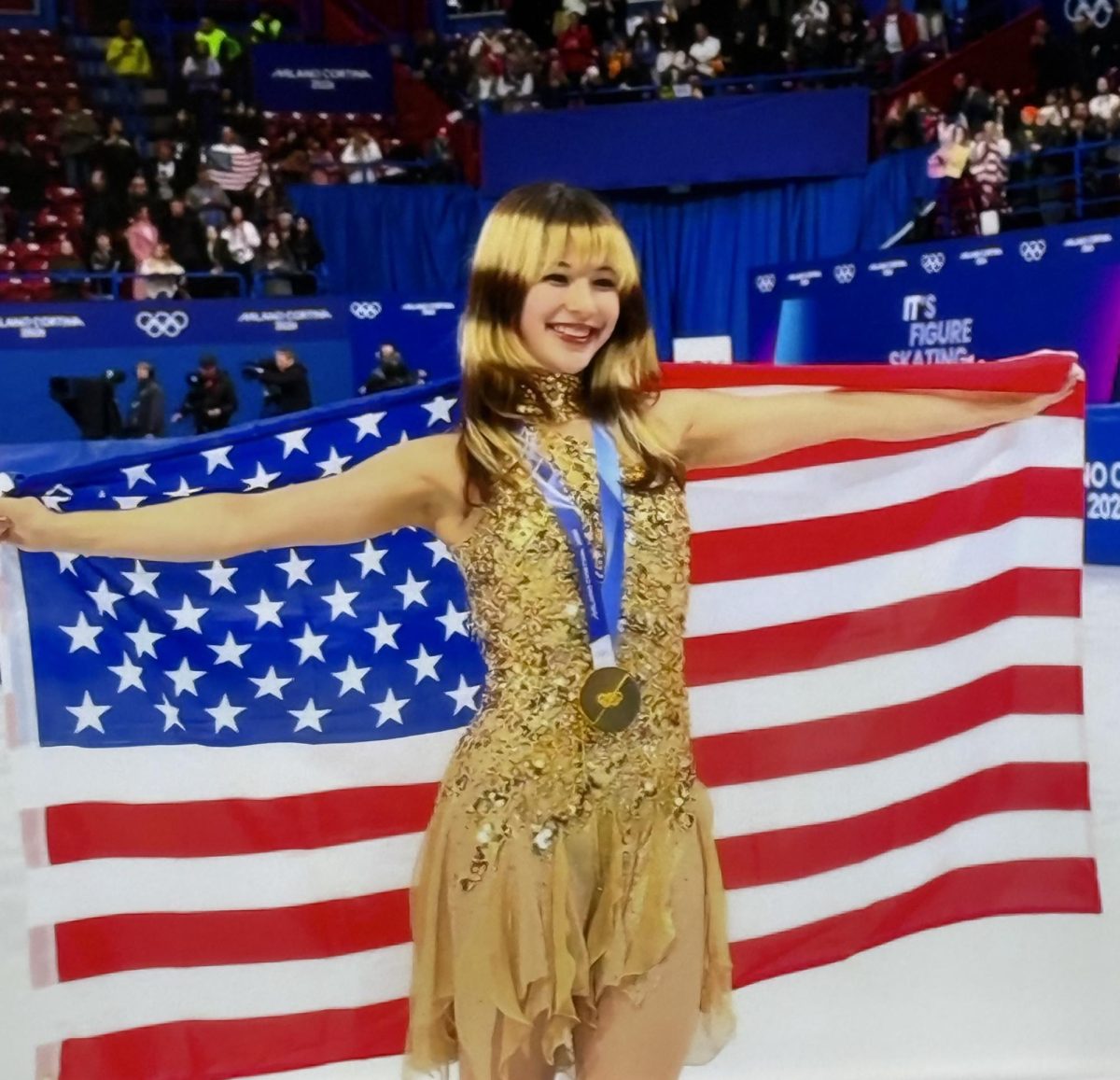
National pride plays a significant role in these competitions. For many athletes, walking into the stadium during the opening ceremony while representing their nation’s flag is just as significant as standing on the podium. The Olympics are one of the few sporting events where athletes are not just to constitute a club or a professional team, but their entire country. Flags, anthems and national colors fill the arenas and line the streets of the host city, creating an atmosphere that is both competitive and integrating.
Some countries incorporate unique traditions to help their athletes prepare for the journey ahead of them. Japan, for example, is known for the practice of shinrin-yoku, or “forest bathing,” where athletes spend silent time in nature, walking among the trees, listening to the sounds of the forest, and breathing in fresh air. This tradition is believed to reduce stress, improve focus, and restore a sense of calm—effects that can be remarkably valuable for athletes facing the intense pressure of Olympic competition.
Other teams may follow different rituals, such as pre-competition chants, shared meals or cultural ceremonies, all meant to remind athletes of where they come from and what they represent. This year, Mongolia honored its heritage by dressing athletes in outfits inspired by the deel, a traditional belted robe worn by Mongolian nomads for centuries. These garments are not just costumes; they are a link to the country’s history of horseback riding, herding, and surviving harsh winters on the open steppe. By incorporating the deel into their Olympic uniforms, Mongolia sends a message to the world that they are proud of their roots and that they carry their ancestors’ spirit onto the international stage. Common ceremonial traditions also include the Parade of Nations, where athletes march into the stadium behind their country’s flag, the iconic torch relay, and the elaborately themed opening ceremonies. The torch relay often begins months before the games, with the flame lit in Olympia, Greece, and is carried across continents by thousands of torchbearers. The opening ceremony then showcases the host nation’s culture through music, dance, technology, and storytelling, leaving viewers with unforgettable images that define each Olympic year.
Sports medicine instructor Mr. Porterfield shares insights on the games and the importance of tradition: “I think it’s a huge part of the games. Unfortunately, we are probably not aware of all the traditions that go into the games. With our coverage being so Americanized, I’m sure there are countries out there that have some very interesting traditions that we don’t get the chance to hear about.”
His comment highlights how much more there is to the Olympics than the events seen on television; behind each performance is a culture, a history, and often a long list of rituals that help athletes feel connected and prepared. Some major events that have wrapped up for this year include the 1000m speed skating race, where first place went to Jutta Leerdam, the women’s big air snowboarding competition, where Kokomo Murase took the top spot, and the men’s ski jump, won by Philipp Raimund. In the women’s gold medal game for curling Sweden defeated Switzerland 6-5 and one of the most enticipated events of the games was hockey with men’s and womens hockey both defeating Canada for the gold with the men’s team winning in over time, with Jack Hughes scoring the game winning score.
English teacher Mrs. Rakoczy also comments on what the Olympics mean to her, offering a broader perspective on the event’s impact: “It shows countries being able to come and work together, play together, achieve together and display the best of the best athletically while shining with excellence.”
Her words capture one of the core purposes of the Olympics: bringing together people from different nations, backgrounds and beliefs in peaceful competition. Even though athletes are competing for medals, there is also a sense of shared respect. It is common to see rivals congratulating one another, exchanging pins or taking photos
together, reminding the world that sports can unite rather than divide. Altogether, the Winter Olympic Games are filled with tradition, honor, and, most of all, national pride. They highlight teamwork and competition at the highest level, making the Olympics one of the most spectacular events to witness every few years.
As Porterfield comments, “There is a different feel watching athletes play for national pride and not just a paycheck.”
That difference is what keeps viewers tuning in year after year, the knowledge that, for a few weeks, the world is watching people chase their dreams not only for themselves, but for the flag on their chest and the people back home cheering them on.