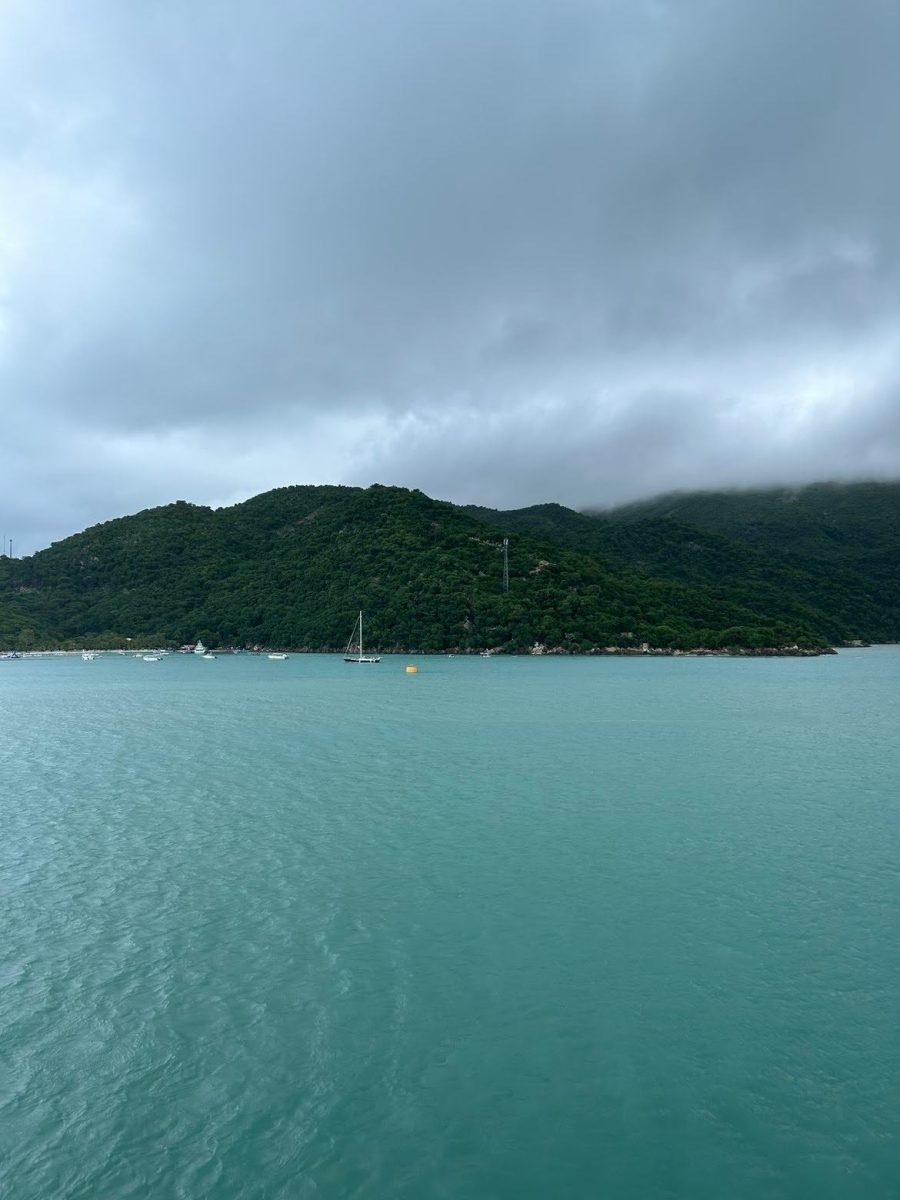
For all of nature’s beauty, it can exact a heavy toll when disaster strikes. For the past month, the world has watched this become evident in the Caribbean.
In late October, Hurricane Melissa rolled in as the 13th hurricane of the season, bringing tremendous destruction to Jamaica, Cuba, The Bahamas, Bermuda, Haiti, Dominican Republic and Turks and Caicos Islands.
Melissa first caused a disturbance in West Africa and eventually made its way to the Caribbean Sea. What started as a mere tropical storm evolved into a dangerous Category Five hurricane, reaching wind speeds up to 185 mph just before hitting landfall in Westmorland Parish, Jamaica, on October 28, 2025.
After the initial hit, Melissa calmed down to a category three as it wreaked havoc over the country. It later moved on to Cuba on October 29, 2025, cutting through the island to the Atlantic Ocean, where it fell to a category one. It continued to move and hit The Bahamas on October 29, 2025. Melissa finally slowed down, hitting Bermuda with any leftover force on October 30, 2025.
The other areas of the Caribbean, such as Haiti, the Dominican Republic and the Turks and Caicos Islands, suffered immense rain and flooding, causing even more damage.
In total damage to the Caribbean, the death toll is currently at least 75, with it expected to rise as recovery and search missions continue. It is estimated that the total cost to repair the countries is tens of billions of dollars. Jamaica was hit the hardest, with entire neighborhoods and communities being torn apart, forcing almost 13,000 people to take refuge in shelters across the country.
Senior Mark Gulich, who has traveled to the Caribbean and Jamaica multiple times, sympathizes with the nation:
“It’s sad because the last time I visited [Jamaica], it was very pretty and the people there are incredibly nice. It’s difficult to see something like this happen to a place like that.”
As the people who were affected by this begin to clean up, it provides an opportunity for those in other countries to step in and lend a helping hand.
Trinity’s environmental science teacher, Mrs. Monteleone, says, “Cleaning up after a disaster like this takes money. A lot of that responsibility is going to fall to governments, but people can pitch in by researching and donating to legitimate relief organizations.”
For as devastating as these natural disasters can be, they also give rise to a sense of hope as people from around the world come together to help one another in times of need. After an incident like Hurricane Melissa, the unity felt between humans knows no borders.